kanjurihighschool@gmail.com | 010 000 006 | 0732 100 000
The thought of starting Kanjuri High School as a harambee (self-help) secondary school was conceived by the community around the school at the dawn of Kenya’s independence in 1963. The school opened its doors to the first group of Form 1 students on Monday, 11th May 1964, using the facilities of the hitherto Kanjuri Intermediate School.
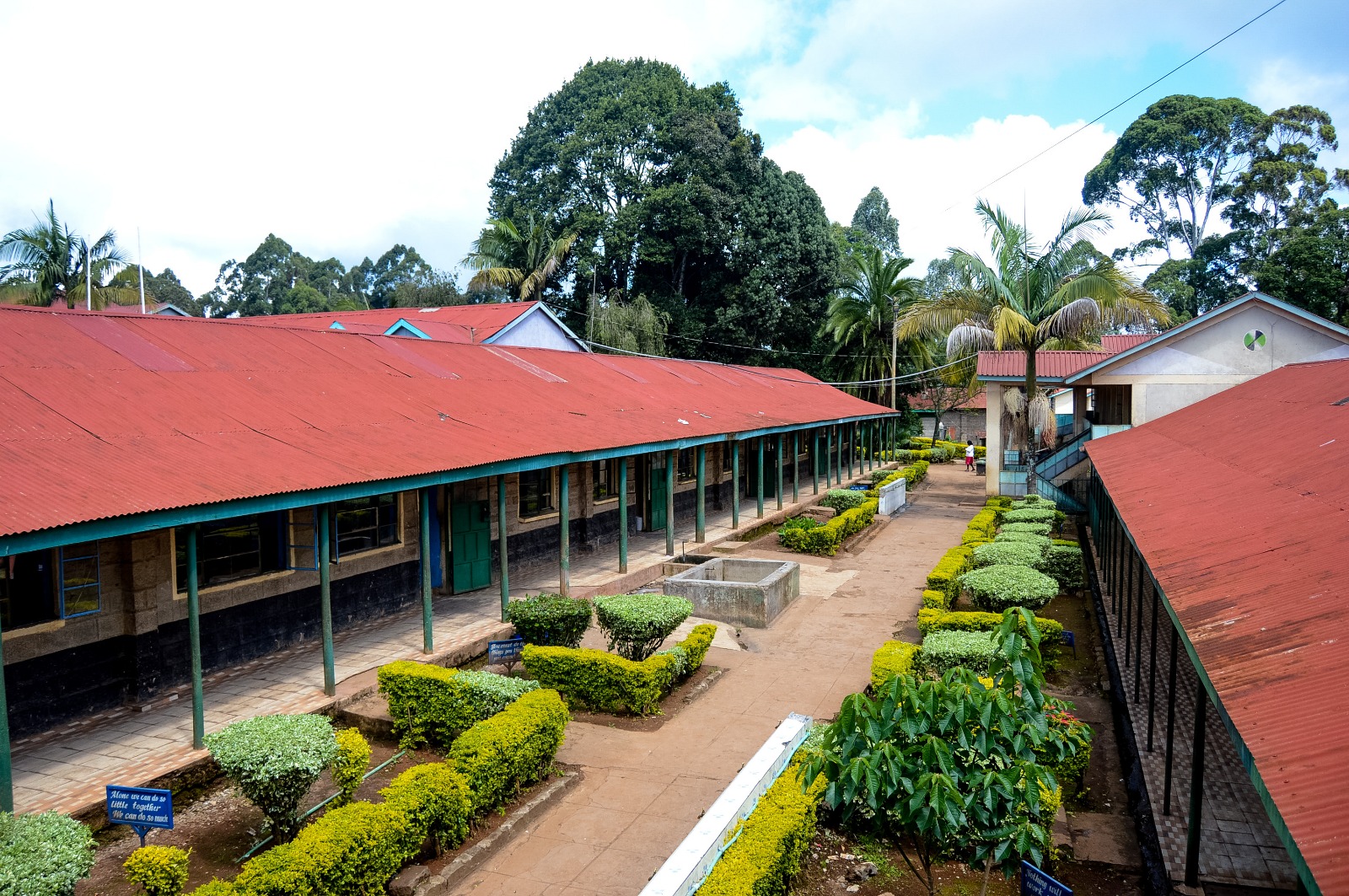
The school is located at the old site of Kanjuri Primary School which moved to its current site after the establishment of the secondary school.
Responding to the desire by the community to start the school, a group of 17 visionary and far sighted elders, in a rare spirit of selflessness and self-sacrifice, offered their land title deeds as collateral in order to raise the initial seed fund to fulfil the laid down Government requirements for registration of the school.
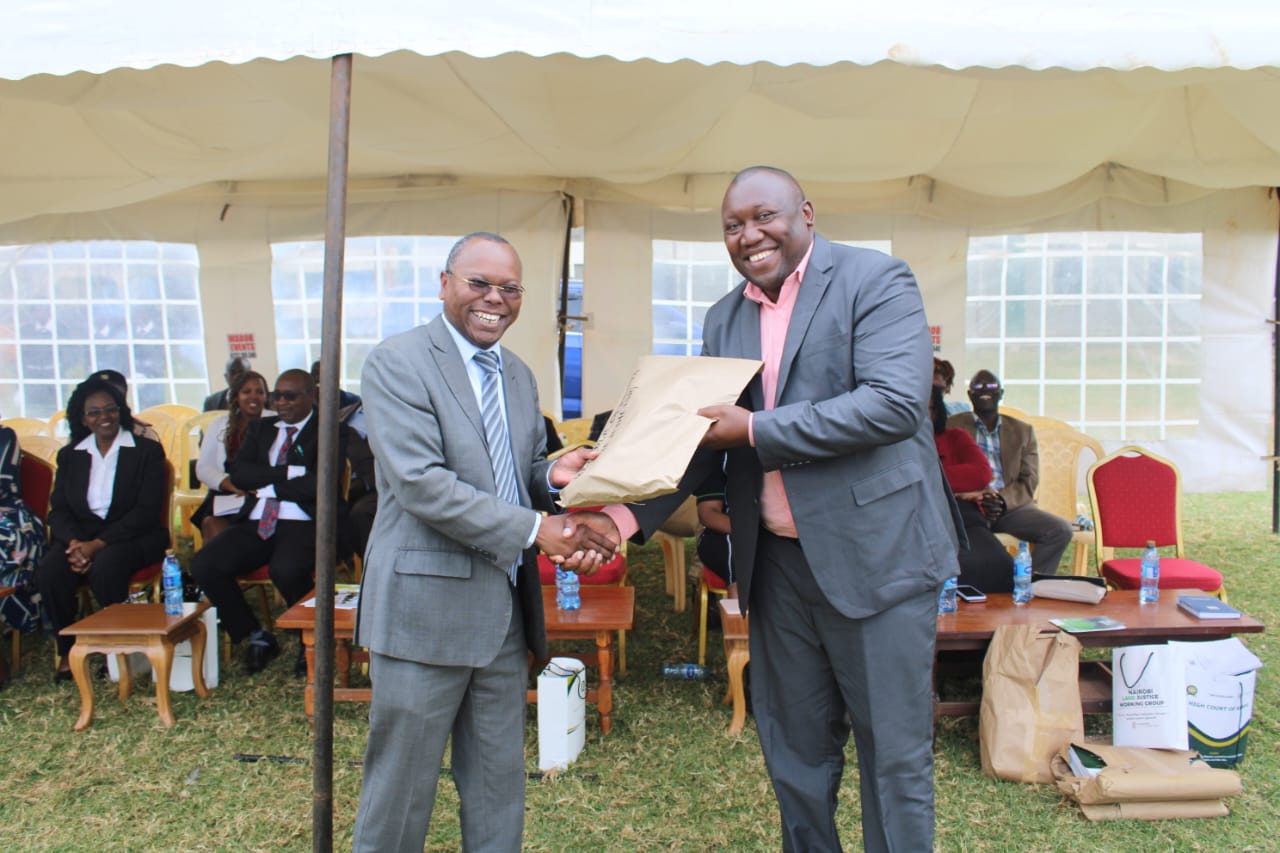
This spirit of selflessness and self-sacrifice by all the school’s stakeholders has been the primary driving force of the school throughout its history. The school has always been a jewel of excellence and source of pride to all its stakeholders and the community.
The name Kanjuri is derived from a popular traditional dance of the earlier days called ‘Njuuri’ which was performed in the proximity of the school, prior to the establishment of Kanjuri Primary School.
On establishment of Kanjuri High School, a new form of dance of excellence in education was substituted for the earlier traditional dance.
The school has experienced phenomenal growth in terms of enrolment over the last five years. The student population has risen from 1141 in 2020 to 1469 in 2024 students. The school is projected to grow from the current enrolment of 1446 (2024) Students to 1,502 students.
The academic performance data reveals a school demonstrating resilience and potential for growth. While there have been fluctuations in overall mean scores and subject performance since 2019, the commendable peak in 2020 showcases the school's capacity for high achievement. Notably, Computer Studies has consistently excelled, serving as a beacon of strong academic outcomes. Furthermore, the ambitious projections for the coming years, including increased mean scores and a rising university transition rate, signal a proactive and optimistic approach towards academic improvement and student success.
| YEAR | ENTRY | A | A- | B+ | B | B- | C+ | C | C- | D+ | D | D- | E | MEAN 2024 | MEAN 2023 | DEVIATION |
|---|---|---|---|---|---|---|---|---|---|---|---|---|---|---|---|---|
| 2024 | 362 | 0 | 9 | 13 | 19 | 40 | 60 | 65 | 75 | 57 | 18 | 6 | 0 | 6.0756 C | -0.3343 | |
| 2023 | 283 | 0 | 2 | 14 | 29 | 38 | 54 | 42 | 58 | 29 | 17 | 0 | 0 | 6.4099 C | -0.719 | |
| 2022 | 256 | 0 | 4 | 13 | 36 | 56 | 58 | 45 | 29 | 13 | 2 | 0 | 0 | 7.1289 C+ | +0.0067 |
At Kanjuri Boys High School, our foundation is deeply rooted in Christian values, instilled by our founders. We hold these principles in high esteem . Grace is a central tenet of our daily life, reflected in our communal activities. All Christian students are expected to partake in Chapel Service, an integral part of our routine .
However, as an extra county school, Kanjuri Boys High School proudly embraces students from diverse backgrounds across the country, including a valued population of non-Christian students, predominantly Muslims. We are committed to upholding the liberty of every student to practice their faith freely. During the morning chapel service, Muslim students gather separately to conduct their own religious observance.
Kanjuri High School boasts a vibrant sports program that encourages participation, teamwork, and healthy competition. We offer a wide range of sporting activities, catering to various interests and skill levels.
Our dedicated coaches provide expert guidance and training, helping students develop their athletic abilities and sportsmanship. We regularly participate in inter-school competitions and tournaments, fostering a strong sense of school spirit and pride.
Beyond the classroom, Kanjuri High School offers a rich array of clubs and societies that allow students to explore their passions, develop new skills, and connect with peers who share similar interests.
These clubs are often student-led, fostering leadership and organizational skills. They provide opportunities for collaboration, creativity, and personal growth outside of the academic curriculum. Regular meetings, projects, and events are organized by the members.
The school has twelve dormitories, four of which were built in 2017, and accommodate almost 1,800 students. The houses are with the reason for the name:
There are activities within the school are based on the house system such as inter-house competitions in sports and the allocation of responsibilities.